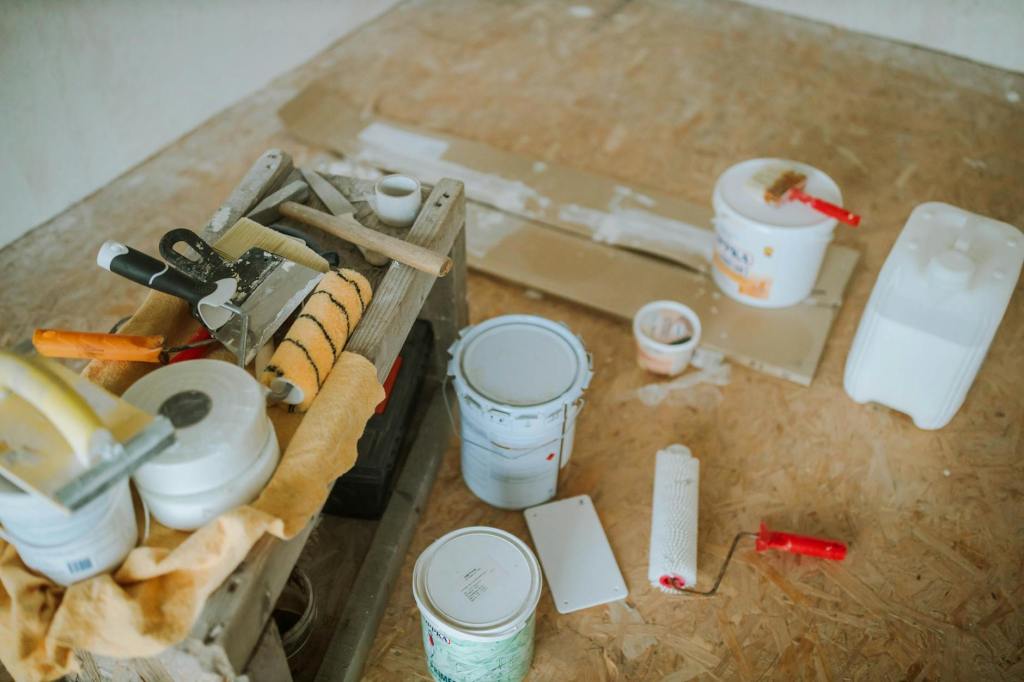
You’ve decided to sell. Now what? Before you call a photographer and plant a yard sign, take a beat. The homes that generate bidding wars don’t happen by accident — they’re the result of deliberate, strategic preparation that makes buyers feel like they’ve walked into a place they can move right into without lifting a finger.
The good news: you don’t need to gut-renovate to compete. In fact, some of the highest-return improvements cost less than $500. The secret is knowing which projects genuinely move the needle, which are nice-to-haves, and which are a complete waste of money when you’re selling.
This guide walks you through every category — from curb appeal to mechanical systems — ranked by impact and return on investment, so you can spend your pre-listing dollars wisely.
107%
Average ROI on fresh exterior paint
$5K–$10K
Typical value added by a minor kitchen refresh
3x
More likely to sell for asking price with professional staging
1. Curb Appeal: First Impressions Are Everything
There’s a concept in retail called the “decompression zone” — the first few feet inside a store where customers transition from the outside world and begin forming impressions before they’ve consciously registered anything. Your home has one too, and it starts at the curb.
Buyers who pull up to a home that looks cared-for arrive at the front door already emotionally primed to like what they see inside. Buyers who pull up to peeling paint, overgrown shrubs, and a cracked driveway arrive skeptical — and skeptical buyers negotiate harder, notice more problems, and submit lower offers. The exterior of your home is doing sales work before your agent says a single word.
ROI Range: 100–200%
Power wash everything first
The driveway, the walkway, the siding, the front steps, the fence if you have one. A pressure washer rental costs $60–$80 for the day, and the transformation is instant and dramatic. Grime, algae, and weathering that have accumulated over years disappear in hours. It’s the single highest-ROI hour of labor in the entire pre-listing process.
The front door is your handshake
Studies of buyer psychology consistently show that the front door is the most emotionally loaded element of a home’s exterior. It’s where buyers pause, wait, and look closely for the first time. A freshly painted door in a confident color — deep navy, forest green, rich charcoal, even a warm burgundy — signals personality and care. Add a new brushed brass or matte black kickplate, matching house numbers in a clean modern typeface, and a new door handle set. The total cost is $150–$350. The perceived value is disproportionately higher.
Landscaping: clean beats impressive
You are not trying to win a garden award — you are trying to eliminate objections. Pull the weeds, edge the beds, trim any shrubs that have crept over walkways or blocked windows, and lay fresh mulch. Dark brown mulch photographs beautifully and makes even sparse plantings look intentional and maintained. A single flat of seasonal flowers near the entry ($25–$40) adds a punch of color that reads as welcoming in listing photos. Budget $300–$600 for a full cleanup and you’ll see every dollar reflected in buyer perception.
Address the driveway
Cracks, oil stains, and heaving concrete are among the first things buyers notice and among the most expensive things they mentally add to their renovation budget. A driveway crack filler costs $20 and an hour of your time. For more significant damage, a concrete or asphalt contractor can resurface a standard driveway for $1,500–$3,500 — an investment that eliminates one of the most common pre-offer negotiating points.
Exterior paint: when to refresh, when to commit
If your siding is in good condition but the color is dated or the paint is fading, a full exterior repaint runs $3,000–$8,000 and consistently returns more than it costs. Neutral and timeless colors — warm whites, soft grays, greige tones — photograph well, appeal broadly, and don’t require buyers to mentally re-envision the home. If a full repaint isn’t warranted, at minimum touch up the trim, the window casings, the garage door, and any peeling sections. Partial paint deterioration reads as deferred maintenance.
Lighting and finishing details
Replace any burnt-out exterior bulbs and consider upgrading to warm LED fixtures flanking the front door. A matching exterior light fixture costs $80–$200 and immediately modernizes the entry. Replace the mailbox if it’s rusted or dated, clean or replace the welcome mat, and remove any seasonal decorations that date the listing photos.
The goal of all of this is not perfection — it’s to eliminate every exterior element that gives a buyer a reason to pause, frown, or start calculating costs. A buyer who walks through your front door problem-free is already halfway sold.
2. The Kitchen: Refresh Without Renovating
The kitchen is where real estate deals are made and lost, and it is also where sellers most consistently make their biggest financial mistake: confusing what they would want in a kitchen they’re keeping with what generates a return in a kitchen they’re selling.
A full kitchen renovation before listing — new cabinets, new counters, new appliances, new flooring, new everything — costs $30,000–$80,000 and returns approximately 60–70 cents on the dollar at sale in most markets. You are essentially subsidizing a renovation for the buyer’s taste, not your own return. The strategic move is the refresh: targeted improvements that dramatically increase the perceived value of the kitchen without the cost and disruption of a full renovation.
ROI Range: 70–120%
Cabinets: paint before you replace
If your cabinets are structurally sound — no broken hinges, no sagging doors, no water damage — painting them is almost always the right call. A professional cabinet painting job costs $1,500–$5,000 depending on kitchen size, and the transformation from stained oak or dated cherry to crisp white or warm greige is genuinely dramatic. Buyers see “renovated kitchen.” You spent a fraction of what renovation would have cost. If the cabinets are damaged or the construction is genuinely cheap, refacing or replacing is warranted — but box store stock cabinets in a neutral finish are perfectly sufficient.
Hardware: the fastest upgrade in any kitchen
Cabinet pulls and drawer handles are the jewelry of a kitchen, and swapping them out takes one afternoon and costs $100–$400 for most kitchens. Brushed brass, matte black, and brushed nickel are all current and broadly appealing. If your existing hardware is dated chrome or brass from the 1990s, this single change will make buyers look at your cabinets differently. New hardware signals new kitchen.
Countertops: a targeted investment
If your countertops are laminate with a tile edge, badly stained, or cracked, replacing them is worth it. Buyers in most markets expect stone or stone-look surfaces, and dated or damaged counters are a persistent objection. Quartz is the gold standard — durable, consistent, and broadly appealing. For a standard kitchen, quartz counters run $2,000–$5,000 installed. Butcher block is a compelling and affordable alternative in the right home. Avoid trendy colors or patterns — warm whites, soft grays, and classic veining have the broadest appeal.
Backsplash: the refresh that photographers love
A clean white or soft gray subway tile backsplash costs $300–$800 installed and is one of the most photogenic upgrades in any kitchen. If your existing backsplash is dated, a new backsplash reframes the entire kitchen in listing photos. Avoid large-format tile with dramatic veining or bold grout colors — they’re divisive, and divisive is expensive when you’re selling.
Appliances: matching matters more than brand
Mismatched appliances signal a kitchen that hasn’t been thoughtfully maintained. You don’t need premium brands, but you do need a cohesive finish. If one appliance is the odd one out, replacing it with an open-box or lightly used stainless unit ($400–$800) is almost always worth it. A matching stainless set photographs well, reads as upgraded, and costs a fraction of new.
The deep clean that no one talks about enough
Before any photographer steps foot in your kitchen, every surface needs to be professionally clean. The inside of the oven. The range hood filter. The backsplash grout (regrout if it’s discolored — it costs $50 in materials and transforms the look of the entire wall). Inside every cabinet and drawer, because buyers open everything. A kitchen that smells clean and looks spotless is worth more than a kitchen that was renovated three years ago and hasn’t been deep cleaned since.
Pro Tip: Remove everything from the countertops. Everything. A single coffee maker is fine. The rest goes in a box. Buyers need to see the counter surface itself — its size, its material, its condition. A cluttered counter makes a kitchen feel small. An empty counter makes the same kitchen feel like an upgrade.
3. Bathrooms: Spa Vibes on a Budget
After kitchens, bathrooms are the most scrutinized rooms in any showing. A dated, dingy, or cluttered bathroom sends a visceral signal that a home feels old — even if everything else has been updated.
ROI Range: 65–100%
Grout and caulk: This is the single highest-ROI task in any bathroom. Old, discolored grout and cracked caulk make a bathroom look filthy — even when it isn’t. Cost: $50–$200 in materials, or $300–$600 for a professional.
Vanity and fixtures: A new vanity light, updated faucet, and a replaced toilet seat can collectively cost $300–$700 and meaningfully modernize a bathroom.
Mirrors: A framed mirror costs $80–$250 and makes the room feel designed rather than defaulted.
Vanity replacement: Stock vanities from home improvement stores start around $300–$600, and the transformation is dramatic.
4. Fresh Paint Throughout: The Highest-Leverage Move
If there is one single project that consistently delivers the greatest return for sellers across all price points, it is fresh interior paint. It covers everything: scuffs, nail holes, dated color choices, smoke odors, and the general weariness that accumulates in a lived-in home.
ROI Range: 100–150%+
Commit to a warm, greige-toned neutral palette throughout. Sherwin-Williams Accessible Beige, Agreeable Gray, or Repose Gray are perennial bestsellers. Paint every room, including ceilings and trim.
5. Flooring: When to Repair, Refinish, or Replace
Hardwood floors: If you have hardwood under carpet, pull it up. Professional refinishing costs $3–$6 per square foot.
Carpet: Budget-grade neutral carpet ($1–$2/sq ft) is sufficient for selling purposes.
Luxury vinyl plank (LVP): Waterproof, durable, and buyer-approved. At $3–$6/sq ft installed, it’s an affordable upgrade with outsized impact.
6. Lighting: The Unsung Hero of Home Presentation
Dark homes feel smaller, older, and less welcoming. Replace all bulbs with matching warm LEDs ($50–$150), update key fixtures ($200–$800), and add lamps in dim rooms. On showing days, turn on every single light — including closets.
7. Mechanical Systems: Don’t Ignore What Buyers Will Inspect
The home inspection is where deals go to die. Hire a pre-listing inspector for $300–$500 before your home goes live. Service the HVAC, check the water heater age, review the electrical panel, and assess the roof.
8. Staging: How to Sell a Lifestyle, Not Just a House
Remove 50–70% of what’s in your home. Depersonalize. Add fresh white towels in bathrooms, a bowl of fruit on the kitchen counter, and flowers near the entry. For homes above the median price, a professional stager’s $2,000–$4,000 fee routinely returns $10,000–$30,000 in additional sale price.
9. What NOT to Do Before Listing
After years of working with sellers on the financing side of transactions, I’ve watched well-intentioned homeowners spend $40,000 before listing and walk away with less than they would have if they’d done nothing. Here’s what to avoid.
Don’t do a full kitchen or bathroom renovation. Unless the space is genuinely non-functional, you will not recoup a full gut renovation at sale. A refresh gives you 80% of the perceived value at 10% of the cost.
Don’t install high-end appliances. A $6,000 refrigerator does not add $6,000 to your sale price. Open-box stainless sets accomplish the same psychological effect for a fraction of the cost.
Don’t add a pool. In most U.S. markets, a pool actually narrows your buyer pool. The $50,000–$80,000 installation rarely returns more than 50 cents on the dollar — and in cooler climates, often far less.
Don’t over-landscape. Clean, green, and well-maintained is the goal — not impressive. A $400 landscaping cleanup outperforms a $15,000 patio every time.
Don’t paint in bold or unusual colors. Every buyer who has to mentally repaint a room is already composing a lower offer.
Don’t finish the basement or convert the garage without permits. Unpermitted work is a disclosure nightmare and a lender’s red flag. I’ve seen transactions collapse at the finish line because a finished basement or converted garage couldn’t be verified with permits. If it’s already done and unpermitted, disclose it — don’t hide it hoping it won’t come up.
Don’t make hyper-specific improvements. A dedicated wine cellar, a home theater wired for a custom AV setup, or a garage converted to a home gym all appeal intensely to a narrow slice of buyers and leave everyone else calculating what it’ll cost to undo. Versatility sells. Specificity divides.
10. The Final Walk-Through: See Your Home As a Buyer Would
Before your photographer arrives, walk in through the front door as if you’ve never been there before. Ask a trusted friend to do the same and give you completely honest feedback. The things you’ve stopped noticing are exactly the things buyers will see immediately.
Your Pre-Listing Checklist
- Fresh neutral paint throughout
- Curb appeal & landscaping
- Deep clean & declutter
- Kitchen hardware & surfaces
- Bathroom grout & fixtures
- Flooring repair or replacement
- Updated lighting & bulbs
- Mechanical service records
- Professional staging consult
- Pre-listing inspection
Ready to make your move? Whether you’re buying your next home or refinancing, our team is here to help you every step of the way. Apply now at Loan Factory and let’s find the right mortgage solution for you.
 Greg Rutolo | Loan Factory
Leave a comment