Gregory Rutolo | NMLS# 34860 | email: gregory.rutolo@loanfactory.com
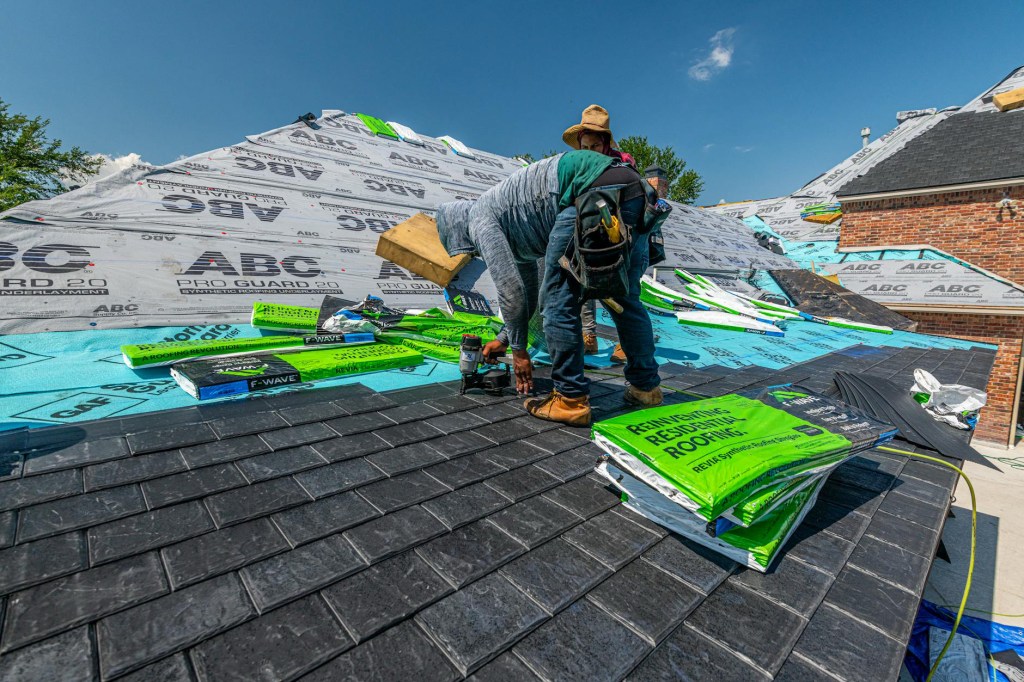
If you’re a New Jersey homeowner staring up at an aging roof, you’re really making three decisions at once: whether to repair or replace, whether to choose asphalt shingles or metal, and how to pay for it without blowing up your cash flow. The good news is that when you zoom out and look at long‑term costs, energy savings, and smart financing, you can turn a “must‑fix” expense into a strategic upgrade.
What a New Roof Really Costs in New Jersey
For a typical single‑family home in New Jersey, asphalt shingles remain the standard choice and the entry point on price. On an average 2,000 sq. ft. roof, a full asphalt tear‑off and replacement commonly lands in a rough range from the high four figures into the low‑ to mid‑teens, depending on pitch, number of stories, and whether there’s any decking repair. Metal roofing, by contrast, usually runs at least about twice as much for the same footprint, and premium systems can go substantially higher.
That upfront gap is why most NJ roofs you see from the street are still asphalt. When you’re writing a check today, there’s no question which option feels cheaper. But price and cost are not the same thing—especially over 30, 40, or 50 years of homeownership.
Asphalt Shingles vs. Metal: Short‑Term Price, Long‑Term Value
Asphalt shingles are the familiar workhorse. They offer decent weather protection, a wide range of colors, and relatively quick installation. In New Jersey’s climate, standard architectural shingles typically carry warranties in the 25–30 year range, but real‑world lifespan can be shorter if the roof is poorly ventilated, heavily shaded, or exposed to frequent storms. As the roof ages, you’re more likely to see granule loss, curling, and isolated leaks that require spot repairs—and eventually a full replacement.
Metal roofs flip that profile. They cost more upfront but are built for the long haul. Quality standing‑seam or metal panel systems are often rated for 40–70 years, with excellent resistance to wind uplift, hail, heavy snow, and rapid freeze‑thaw cycles that are common in New Jersey. The paint or coating systems on modern metal roofs are also engineered to resist fading and corrosion, which helps them maintain curb appeal and performance over decades.
When you look at a 40–50 year horizon, the calculus changes. Many NJ homeowners will buy one metal roof in that timeframe or two (possibly three) asphalt roofs plus a higher volume of small repair invoices. Once you factor in inflation on future labor and materials, the total dollars spent over time often lean in favor of metal, even though the first invoice was larger.
Energy Efficiency and Comfort in NJ’s Climate
Energy performance is another lever where metal tends to shine. Dark asphalt shingles absorb a significant amount of solar heat, which can drive up attic temperatures and put extra load on your air conditioning during New Jersey’s humid summers. Cool‑roof rated metal products, especially in lighter colors or reflective finishes, can bounce a meaningful slice of that heat back into the atmosphere.
Paired with proper attic ventilation and insulation, a reflective metal roof can trim cooling costs and help stabilize indoor comfort on the hottest days. Even if the percentage savings on your utility bill doesn’t completely “pay for” the roof, it contributes to narrowing the lifetime cost gap between asphalt and metal. And if you integrate solar panels or solar shingles at the same time, the roof becomes part of a broader energy strategy rather than just a weather shield.
New Jersey Incentives: Why the Roof Should Be Part of a Bigger Plan
Here’s an important nuance: there generally isn’t a simple, statewide “free money for a new roof” program in New Jersey. A basic tear‑off and re‑roof with standard shingles or standard metal panels typically doesn’t qualify by itself for rebates. The incentives live in the energy world.
Where homeowners can really win is by treating the roof project as the gateway to a whole‑home energy upgrade. That can include:
• Air sealing and insulating the attic while the roof deck is exposed
• Upgrading to high‑efficiency HVAC or a heat pump
• Adding solar PV or solar shingles as part of the roofing scope
When you package the roof with building‑envelope improvements and high‑efficiency equipment, you can potentially stack:
• Federal energy‑efficiency tax credits for qualifying insulation, air sealing, windows, doors, and HVAC
• Federal clean‑energy credits when you install solar
• New Jersey Clean Energy and utility‑sponsored “whole home” programs that offer rebates and, in some cases, low‑interest financing for modeled energy savings
The practical takeaway: don’t look for a rebate on shingles; look for incentives on the work that goes hand‑in‑hand with smart roofing—especially in the attic and mechanical systems.
Using a HELOC to Finance Roof Replacement the Smart Way
The final piece of the puzzle is how to pay for all this. A roof is rarely something you can delay once it starts failing, and many homeowners don’t want to drain cash reserves to cover the full cost. That’s where a Home Equity Line of Credit (HELOC) can be a powerful tool.
A HELOC is a revolving line secured by your home, usually at a variable rate, that lets you:
• Borrow only what you need, when you need it, instead of taking a lump‑sum personal loan
• Typically enjoy lower interest rates than unsecured credit cards or personal loans
• Make interest‑only payments during the draw period, easing the cash‑flow hit during the project
For a roof and energy‑upgrade combo, a HELOC can act as bridge financing. The homeowner uses the line to pay the roofer and related contractors, then applies incoming tax credits and rebates to aggressively pay down the balance. That approach can shorten the effective payoff period and lower the real cost of borrowing.
From a planning standpoint, leveraging a HELOC also preserves liquidity. Rather than emptying savings on a roof, the homeowner spreads the cost over time while still having cash on hand for emergencies or other investment opportunities. For long‑term owners—especially those upgrading to a durable metal roof and better insulation—that can be a very rational trade‑off: you’re aligning the financing term with the useful life of the improvement.
Bringing It All Together for New Jersey Homeowners
When you add it up, New Jersey homeowners have more levers than it first appears:
• Asphalt shingles minimize the initial check; metal roofing can minimize the cost per year of service.
• Energy‑efficient roof assemblies and attic upgrades can cut utility bills and improve comfort.
• Bundling roof work with insulation, HVAC, and solar opens the door to meaningful tax credits and rebates.
• A well‑structured HELOC lets you fund the project now and use those incentives, plus future energy savings, to help pay it off.
 Greg Rutolo | Loan Factory
Leave a comment