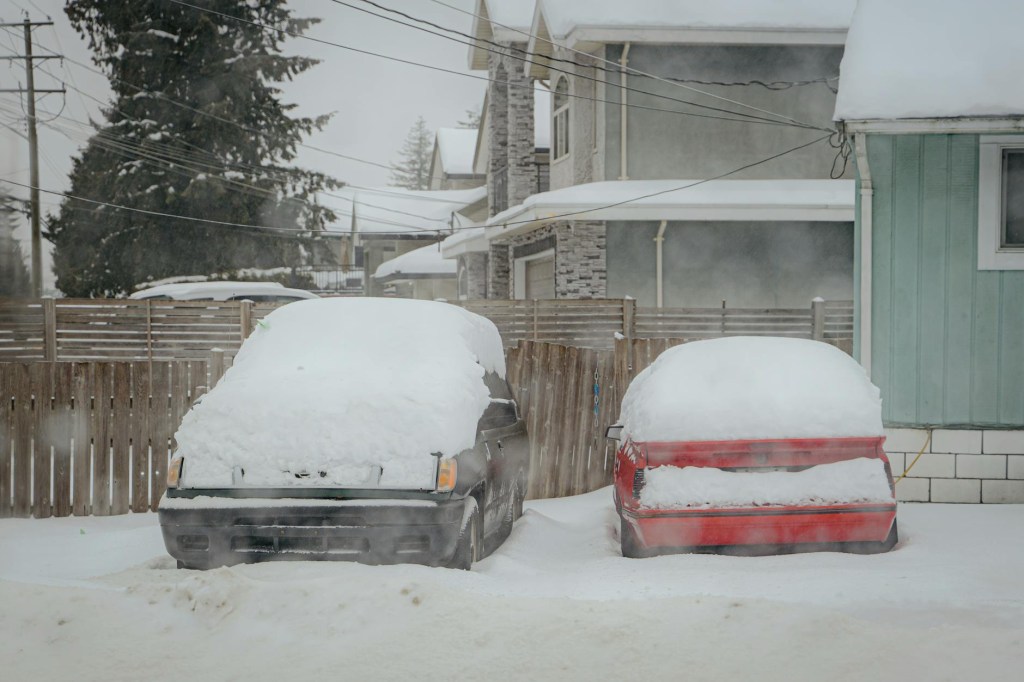
Why Snow & Ice Storms Are Dangerous for Homes
Snow and ice storms can do more than just shut down roads and schools—they can damage your roof, gutters, pipes, and foundation if your home isn’t prepared. Sudden temperature swings, heavy snow loads, and ice buildup can lead to burst pipes, ice dams, roof leaks, and dangerous slip hazards.
By taking a few smart steps ahead of time—and knowing what to do if the power goes out—you can keep your home safe, reduce repair costs, and protect your family during the worst winter weather.
- Prevent Frozen Pipes (Before the Storm)
Frozen pipes are one of the most common—and costly—problems in a winter storm. When water freezes inside a pipe, it can expand and cause the pipe to burst, leading to major water damage once things thaw.
Action steps:
• Keep your thermostat set to at least 55°F, even if you’re away from home.
• Shut off and drain outdoor spigots, and disconnect garden hoses to prevent freezing and cracking.
• Insulate exposed pipes in basements, crawl spaces, and garages, and consider using faucet covers on outdoor spigots.
• When temperatures drop below freezing, let cold‑water faucets drip slightly and open cabinet doors under sinks to let warm air reach pipes.
- Stop Ice Dams and Roof Damage
Ice dams form when heat escapes through the attic, melts snow on the roof, and then the water refreezes at the colder eaves. This can back water under shingles, cause leaks, and add dangerous weight to your roof.
Action steps:
• Make sure your attic is well insulated and properly ventilated so the attic stays cold and snow melts evenly.
• Clean gutters and downspouts before winter so water can drain instead of backing up and freezing.
• After heavy snow, carefully remove snow from the lower edge of the roof with a roof rake to reduce weight and ice‑dam risk.
- Weather‑Proof Doors, Windows, and Exterior
Drafts from poorly sealed doors and windows can spike your heating bill and let in cold air and moisture.
Action steps:
• Caulk and weather‑strip around windows, doors, and where pipes or wires enter the house.
• Install door sweeps on exterior doors and consider temporary plastic window kits for older windows.
• Seal gaps around outlets and switches on exterior walls with foam gaskets or spray foam to cut drafts.
- Keep Walkways and Driveways Safe
Snow and ice on sidewalks, steps, and driveways are a major slip‑and‑fall hazard.
Action steps:
• Apply ice melt or sand before the storm hits on steps, sidewalks, and driveways to reduce slickness.
• Choose pet‑ and plant‑friendly ice melt (like magnesium chloride) if you have animals or landscaping nearby.
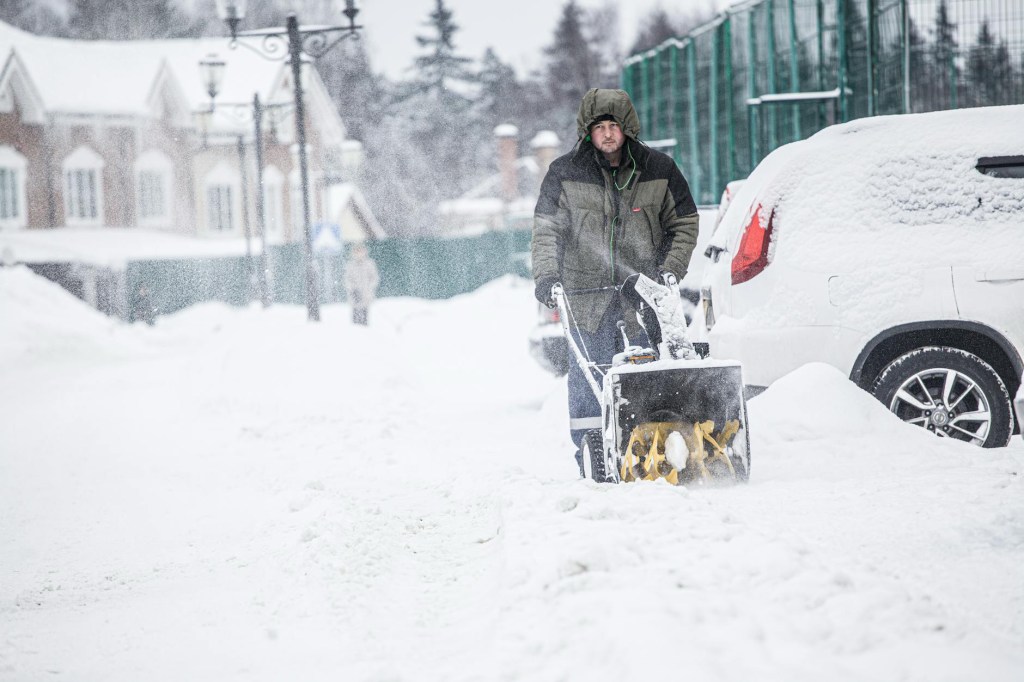
• Shovel before ice fully sets and avoid piling snow against the house, which can create dams and leaks.
- Keep Walkways and Driveways Safe
Snow and ice on sidewalks, steps, and driveways are a major slip‑and‑fall hazard.
Action steps:
• Apply ice melt or sand before the storm hits on steps, sidewalks, and driveways to reduce slickness.
• Choose pet‑ and plant‑friendly ice melt (like magnesium chloride) if you have animals or landscaping nearby.
• Shovel before ice fully sets and avoid piling snow against the house, which can create dams and leaks.
- Create a Winter Storm Home‑Prep Checklist
To make this easy to implement, here’s a quick SEO‑friendly checklist you can save or print:
• ✅ Set thermostat to at least 55°F.
• ✅ Insulate exposed pipes and outdoor spigots.
• ✅ Drain and shut off outdoor water lines.
• ✅ Clean gutters and downspouts.
• ✅ Check attic insulation and ventilation.
• ✅ Caulk and weather‑strip doors and windows.
• ✅ Trim overhanging tree branches.
• ✅ Stock ice melt, shovels, and warm gear.
• ✅ Prepare an emergency kit with flashlights, batteries, water, and non‑perishable food.
• ✅ Plan generator use safely (outdoors, away from vents).
Final Thoughts
Protecting your home in a snow and ice storm isn’t just about shoveling the driveway—it’s about preventing frozen pipes, ice dams, and structural damage, and being ready if the power goes out. By following these steps, you can keep your home safer, reduce repair bills, and give yourself peace of mind when winter weather hits hardest.
If you found this guide helpful, share it with neighbors or bookmark it for the next winter storm—and consider pairing it with a simple home‑emergency checklist tailored to your area’s typical snowfall and ice risk.
 Greg Rutolo | Loan Factory
Leave a comment